
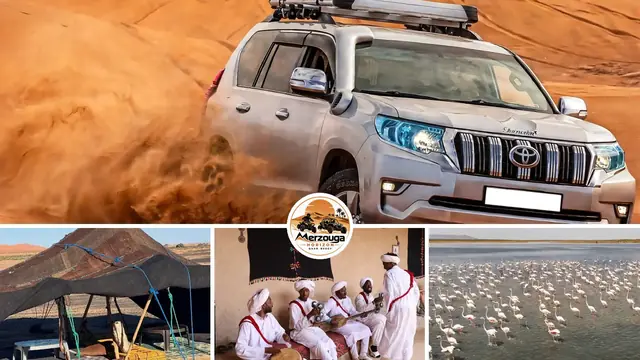
Merzouga 4x4 Desert Tour
Nomads, fossils and Gnawa music in Khamlia on a 3 hour desert tour by 4x4.
From€40View Details
Merzouga nomads · Nomad family visit · Amazigh life
Families, animals and tea in a tent: how the nomads of the Erg Chebbi area live, and how to visit them with respect.
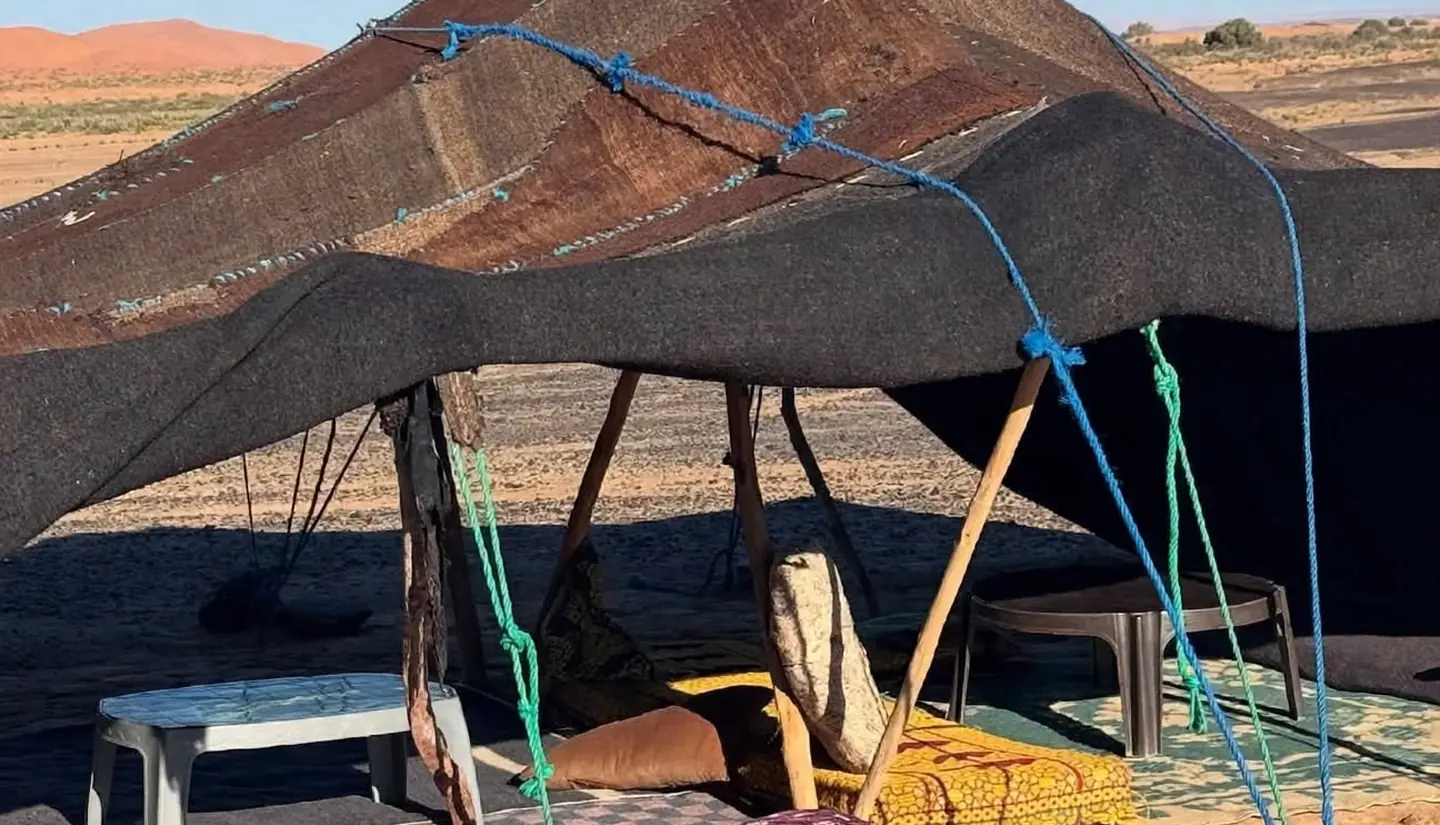
Around the dunes of Erg Chebbi, families still live from their animals in tents on the desert plain. This guide explains who the nomads of Merzouga are, how they live, how to visit a nomad family respectfully, and which of our tours include a visit with Berber tea in a family's tent.
Long before the hotels and camps, the land around Erg Chebbi belonged to herders. Merzouga was an oasis on the caravan routes to the south and a stop for the Ait Atta, an Amazigh (Berber) confederation whose families still graze their animals around the dunes. Today you can still see their tents on the stony plain (the hamada) around the sand, with goats, sheep and camels nearby.
Not every family lives the same way. Some move with their herds as the seasons and the rain change; others stay in one place for long periods, or divide their lives between a tent and a house in a village. "Nomad" in Merzouga today covers a range of ways of life, all built around animals, water and the desert.
| Part of life | What it looks like |
|---|---|
| Home | A tent on the hamada, often with a simple shelter or enclosure for the animals |
| Animals | Goats, sheep and camels: food, milk, wool and income |
| Water | The constant concern: wells, and the rare rains that bring grazing |
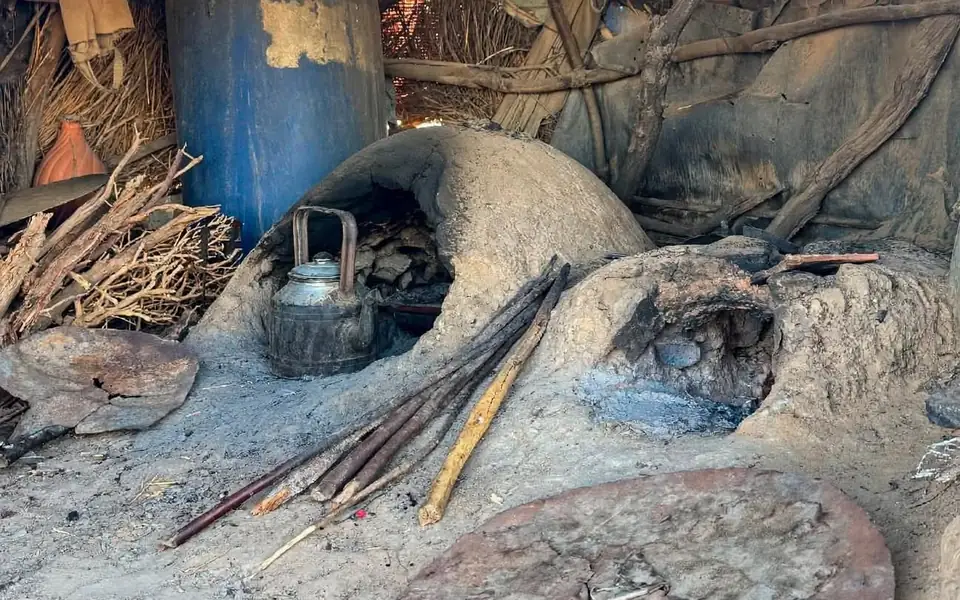
| Food | Bread baked by the family, tea, dates and simple dishes |
| Hospitality | A glass of sweet tea for visitors, an old desert custom |
Life follows the weather. After good rains the hamada turns faintly green and the animals find more to eat; in dry years, grazing is hard and families move further or buy feed. Heat in summer and cold nights in winter shape the day: work early and late, rest when the sun is high.
Visiting a nomad family is one of the most memorable moments of a trip to Merzouga, and it should feel good for the family too. A few simple rules make the difference:
Local tip: ask questions. How far do they move? Where do they find water? How do they spend the summer? The answers are the best part of the visit.
| Tour | Time | Price |
|---|---|---|
| 4x4 desert tour: nomads, fossils, Khamlia | 3 hours | €40 per person |
| 2 hour quad tour with a nomad family and an oasis | 2 hours | from €60 per quad |
| 2 hour buggy tour with a nomad family and an oasis | 2 hours | €160 per buggy |
| 3 days tour from Fes, with the 4x4 tour on day 2 | 3 days | from €500 per person (2 people) |
On every visit you share Berber tea in the family's tent and see how they live with their animals.
Drought, schooling for the children, and work in tourism and in the towns have all changed desert life. Many young people now work in the villages, as drivers, camel guides or in hotels, while older family members keep the herds. Visiting with a local company keeps part of the money from tourism in the region and shows that this way of life is valued.
To learn more about the region's people, see Khamlia and Gnawa music and our map of the villages around Merzouga.
Prices on this page are our own published prices. Distances and travel times are approximate. Last reviewed: November 2026.
Related Experiences
Nomads, fossils and Gnawa music in Khamlia on a 3 hour desert tour by 4x4.
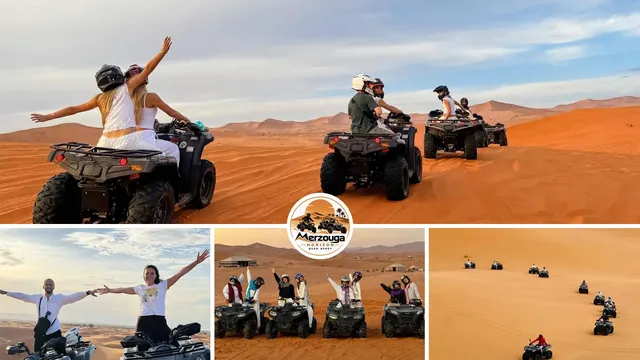
Your own quad and the open dunes: ride Erg Chebbi with a local guide.

Sit side by side in a powerful ZFORCE buggy and drive the dunes with a friend or partner.
Frequently Asked Questions
Yes. Families still live in tents around the dunes with goats, sheep and camels, although many now combine desert life with a house in a village or work in tourism.
Yes, with a local guide. Our 4x4 desert tour and our 2 and 3 hour quad and buggy tours include a visit with Berber tea.
An Amazigh (Berber) confederation of the south of Morocco, whose families have long grazed their animals around Erg Chebbi.
Do not hand out sweets or money. If you want to help, ask your guide what the family really needs.
Only with permission. Ask first, especially for women and children, and accept a no.